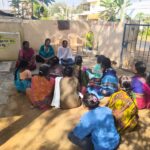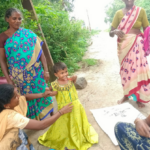
When we talk about wellbeing, we often think about income, housing, or jobs. But when you sit down and actually listen to people, you begin to hear a very different story. In Chennai, conversations were held with women workers at Goonj. These women are called Akkas, a respectful term in South India that means elder sister. It is not just a word it reflects closeness, and mutual respect. The conversations were simple. There were no surveys or forms. Just questions about daily life, stress, happiness, work, and family. What the Akkas shared quietly challenged many common ideas about what it means to live well.
More Money Did Not Mean More Peace
Many Akkas earned similar incomes and lived in similar housing conditions. Some rented their homes. Some had steady work. On paper, their lives looked almost the same.
But their experiences were very different.
Some women spoke about feeling calm, satisfied, and hopeful. Others described constant stress, anxiety, and exhaustion. The difference was not money. It was support. Women who felt heard at home, respected by their families, and supported by their husbands did not talk about wanting more income or assets. They spoke about peace. On the other hand, women dealing with alcoholism in their family, domestic conflict, or emotional neglect struggled deeply even when their basic needs were met.
Pride Came From Work, Not Pay
Many Akkas spoke with pride about their work. Not because of the money, but because work gave them confidence and independence. They talked about learning new skills, traveling for work, being trusted with responsibility, and helping their families during difficult times. For some, this was the first time they felt capable and valued outside their home. What stood out was that pride came from being useful and respected, not from earning more. At the same time, some women had very little say in personal decisions where they could go, how money was used, or what choices they could make. This lack of control affected their confidence deeply, even though it is rarely seen or counted.
A “Good Life” Looked Simple
When asked what a good life meant, the answers were simple. A good life meant children going to school. It meant stable health, less debt and peace at home. Very few spoke about owning more things. Some even said they were satisfied with what they had and did not want major changes. Their happiness was tied to stability, not growth.
Where Respect Really Existed
One of the most powerful things shared was about respect. For many Akkas, the workplace was the only place where they felt valued as individuals. At work, they were listened to, trusted, and treated with respect. At home, emotional support was often missing. Several women said they had no one to talk to during stressful moments except daughters, sisters, or coworkers. This loneliness caused more pain than financial hardship, but it often goes unnoticed.
A Simple Drawing Exercise Spoke Volumes
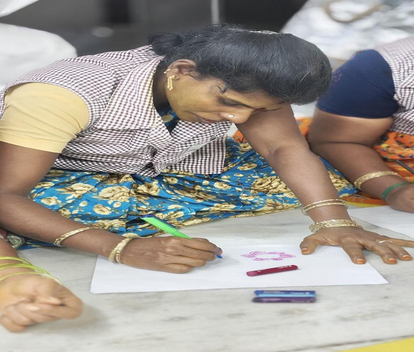
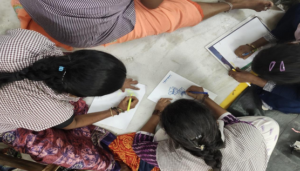
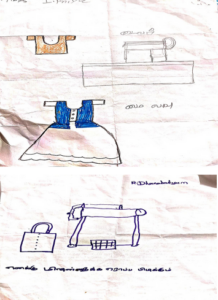 In one activity, Akkas were given paper and colors and asked to draw what made them happy or peaceful. Not one drawing showed money or houses. Instead, they drew sewing machines, clothes, family members, and moments from work. Some wrote simple lines like “I like my work,” “I love my family,” and “This gives me peace.” It was a quiet but powerful reminder: happiness came from purpose and relationships not accumulation
Why This Matters
Around the world, wellbeing is often measured through income, housing, and employment. These things matter. But they do not tell the full story. Listening to these women reminds us that people can feel poor even when basic needs are met and feel rich even with very little. Respect, emotional safety, and the feeling of being valued shape lives in ways numbers cannot capture. Sometimes, the most important thing we can do is simply
listen. It is something to be recognized.
What This Means for Global Wellbeing Measures
These lived experiences highlight important gaps in how wellbeing is measured today. Under the Multidimensional Poverty Index, someone living in rented housing with limited assets may be classified as “poor.” Yet conversations showed that some Akkas in these conditions experienced greater happiness and peace than others with similar or better material status because they felt supported and emotionally secure. Similarly, SDG indicators often measure access and participation, not lived experience. Having a job does not automatically mean respect at home. Access to services does not guarantee emotional safety. GDP-based measures go even further in missing these realities by valuing output over people. As the Akkas’ voices reveal, meaningful work, recognition, and belonging contribute far more to wellbeing than income alone. This is why we value deep listening at Goonj, and are working towards new ways to measure true development, valuing people over numbers.
By Ankit Vardani
Goonj Setu Fellow